

Literature COURSE
Discover French and Francophone literature through reading, conversation and shared perspectives.
Immerse yourself in the richness of French and Francophone literature through a lively and stimulating journey. Our courses are designed to read, learn, discuss, and discover notable works from today and yesterday.
Every year, our literature teacher select:
- novels from the current literary season (rentrée littéraire)
- two to three great classics
- works representative of Francophone diversity
All within a friendly atmosphere where discussion is at the heart of the experience.
AN ENRICHED EXPERIENCE
- 2 Exclusive meetings with literary translators
- Occasional talks by writers or figures from the literary world
A varied selection of new releases, literary prizes, and classics:
 OUR 2026–2027 PROGRAMME
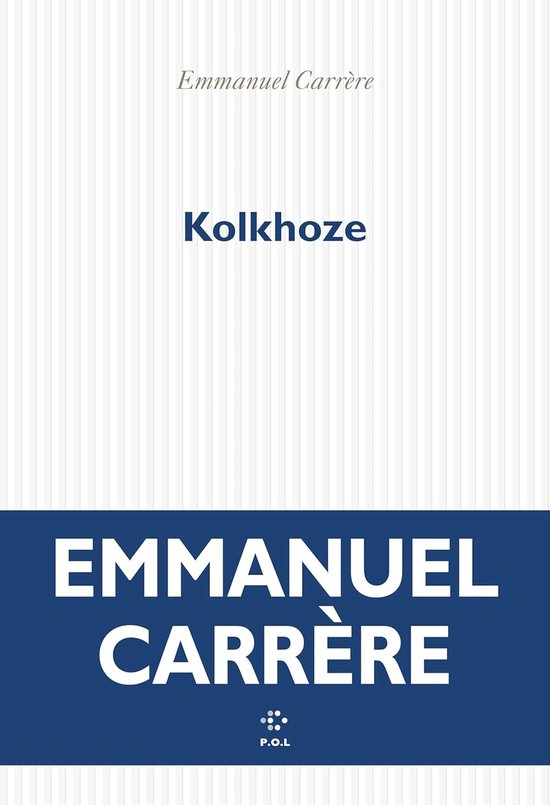
September 30: Emmanuel Carrère – Kolkhoze
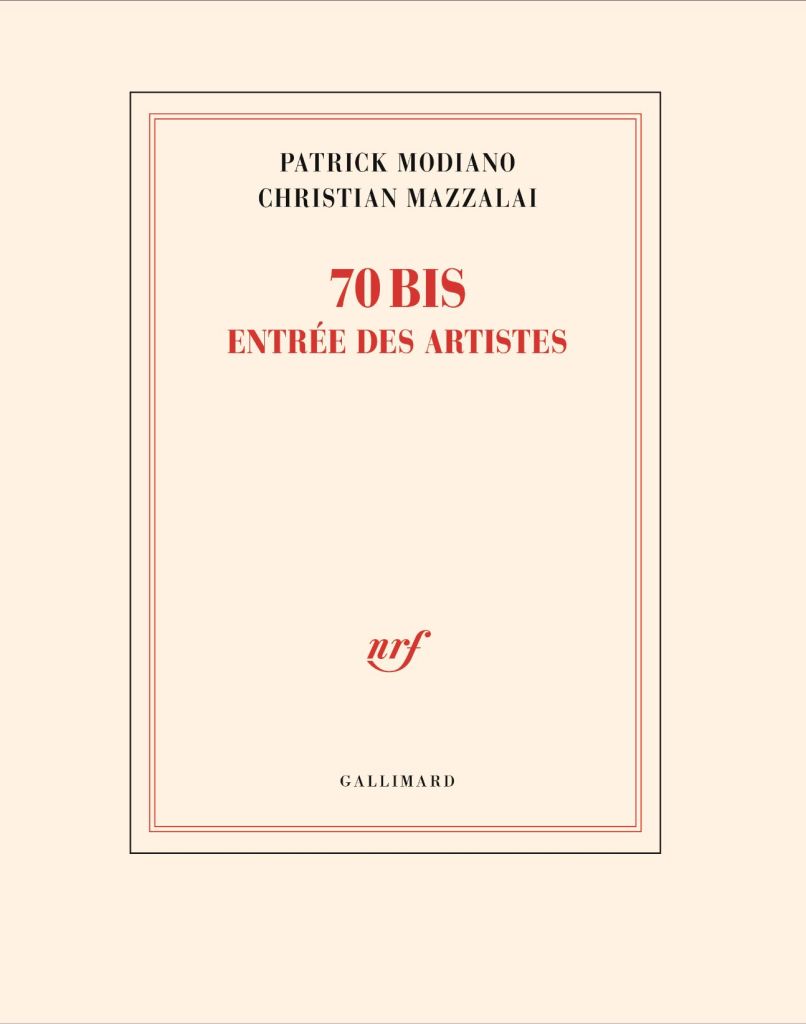
October 14: Patrick Modiano & Christian Mazzalai – 70bis, entrée des artistes.
October 14: Literary Meeting: Margot Dijkgraaf on her book “Germaine de Staël. Schrijver, balling en feminist avant la lettre” (2026)
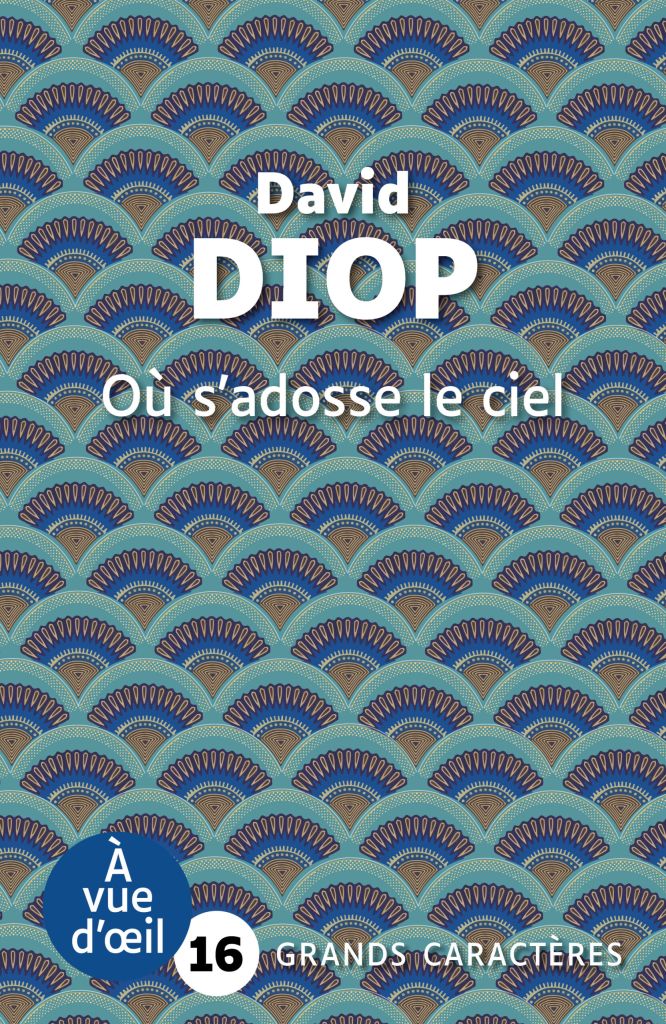
November 4: David Diop – Où s’adosse le ciel
November 18: Gustave Flaubert, Madame Bovary
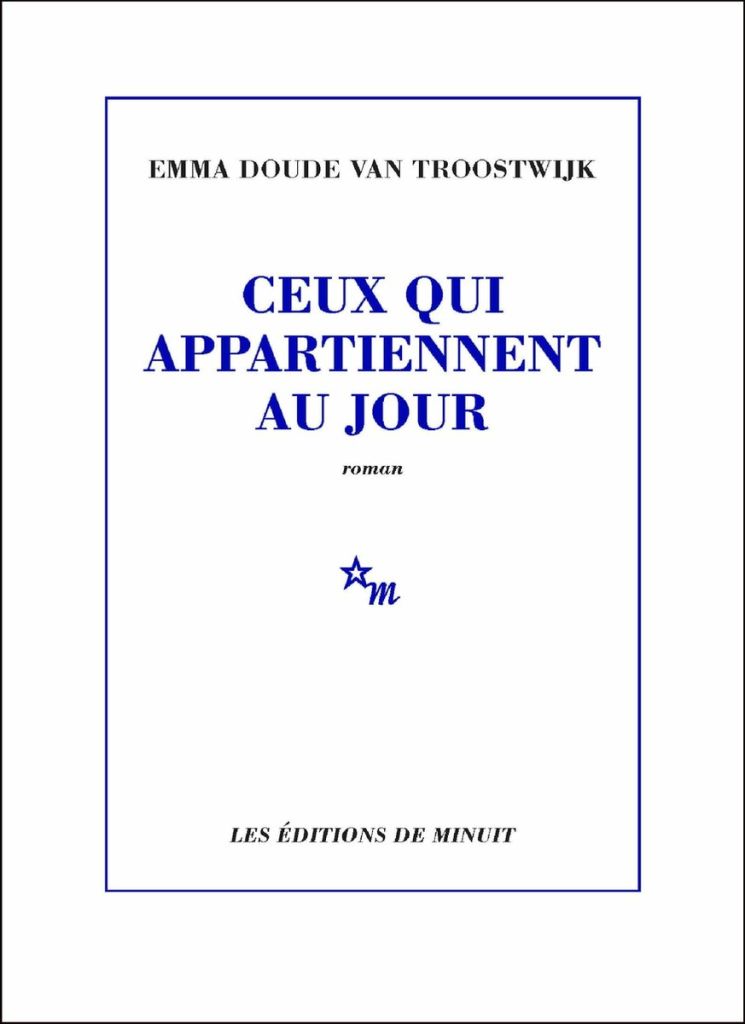
December 2: Emma Doude van Troostwijk – Ceux qui appartiennent au jour – 2027 –
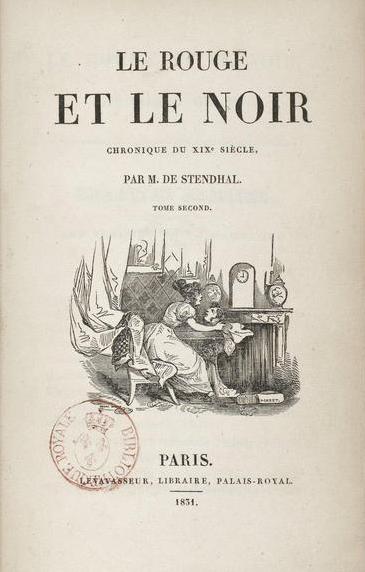
January 20: Stendhal – The Red and the Black
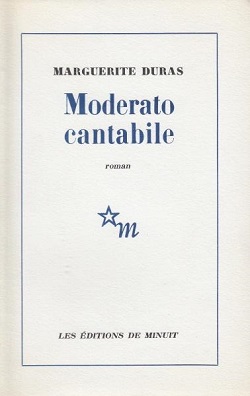
February 10: Marguerite Duras – Moderato Cantabile
March 3: Goncourt Prize 2026
March 24: Another great book from the literary season? Year-end review and new suggestions
April 7: Literary Meeting: lecture by Rokus Hofstede
A complete program will be provided to participants at the beginning of the year.

Required Level
- Solid passive comprehension
- Recommended active level: B2
Why join this course?
- Discover contemporary and classic literature
- Develop your spoken French
- Share your ideas in a stimulating setting
- Meet fellow literature enthusiasts
“`
**Note :** J’ai gardé les titres d’œuvres françaises originales (comme *Où s’adosse le ciel*, *Madame Bovary*, etc.) car c’est l’usage standard en anglais de citer les titres dans leur langue originale, sauf pour les classiques ayant une traduction anglaise bien établie (comme *Le Rouge et le Noir* → *The Red and the Black*).